Songkran Spirits: A Journey of Renewal in the Hills

Songkran arrives every April with two very different faces.
One is unmistakable. Chiang Mai’s ancient moat fills with colour, music, and water. Tourists line the road shoulders. Pickup trucks move slowly through the crowds. It is exuberant, communal, and in its own way, joyful.
But the other face of Songkran is quieter. It belongs to the temple courtyards at dawn. To the careful pour of scented water over an elder’s hands. To monks chanting sutras in the early morning air. This version of the festival has persisted for centuries in the hills of northern Thailand. It is largely unchanged.
For travellers drawn to something more grounded, the hills above Chiang Mai offer what the city cannot. Here, the festival keeps the texture it was always meant to have: reverent, communal, and slow. It is the kind of celebration that leaves a mark precisely because it is unhurried.
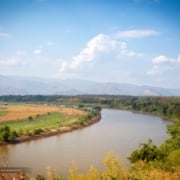
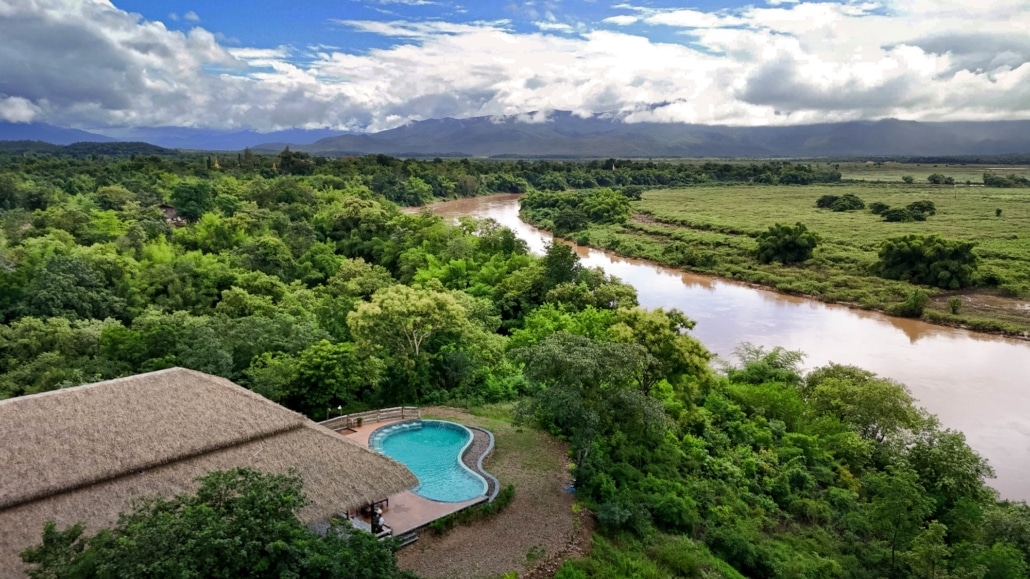
The Bush Camp Chiang Mai sits within this quieter northern landscape. At Songkran, the hills around it come alive in a way worth planning a journey around.
What Songkran Actually Means
Songkran takes its name from the Sanskrit word Sankranti. It refers to the transition of the sun from one zodiac sign to another. In Thailand, it marks the traditional New Year. The official dates run from 13 to 15 April each year. In northern Thailand, celebrations often extend across several days on either side.
The water is not decoration. It carries meaning.
In Buddhist tradition, pouring water over a Buddha image is an act of purification. It washes away the misfortunes of the year just passed. In homes and villages, younger family members pour scented water gently over an elder’s hands and shoulders. This ceremony is known as Rod Nam Dam Hua. It is a gesture of gratitude and respect. The elder offers a blessing in return.
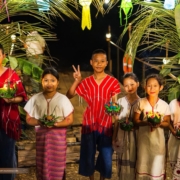
Sand chedis are built at temples to represent spiritual merit. Garlands of jasmine are carried to shrines. Families cook and eat together. The mood is one of careful, deliberate attention to the people around you.
This version of Songkran is not nostalgic. It is not arranged for visitors. It is still very much alive in the communities of the northern hills. Including those who live and work alongside The Bush Camp Chiang Mai. Understanding that distinction matters when deciding where to spend the festival.
Songkran in the Company of Mahouts and Elephants

The Bush Camp is set within the forests of northern Thailand. Many of the camp’s mahouts and staff come from Karen communities that have inhabited these hills for generations. Songkran is a significant point in their year.
For Karen people, festivals are expressions of community and continuity. Ceremonies mark the rhythm of life in the hills. The values at the heart of Songkran, renewal, respect, and togetherness, sit naturally within their traditions.
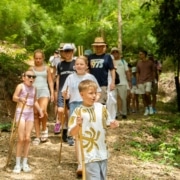
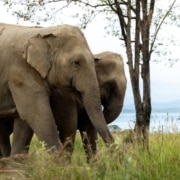
Elephants are central to daily life at the camp throughout the year. The camp stopped elephant riding activities in 2010. In its place, the team built a model grounded in observation, feeding, and respectful encounter. Guests prepare meals for the elephants. They learn about individual personalities and daily habits. They watch the elephants move freely within their expansive roaming area.
At Songkran, the significance of this deepens. Water and elephants have long been linked in Thai culture. Elephants are considered sacred animals, associated with rain, abundance, and good fortune. Ceremonial elephant bathing has historically been part of royal and religious tradition in Thailand. That connection remains felt here, where elephants live alongside the people who have cared for them throughout their lives.
The camp’s Elephant Conservation Project supports the welfare of both domestic and wild elephants. This includes veterinary care, nutritional support, and direct engagement with communities living near elephant habitats. Spending Songkran in this setting means sharing the season with people for whom these traditions are genuinely felt. The recent National Thai Elephant Day article offers insight into how the team approaches these moments.
Renewal, Community, and Wellbeing in the Jungle

Much of what draws people to Songkran also draws them to places like The Bush Camp. Both involve shedding something. The accumulated weight of ordinary life. Replacing it with presence.
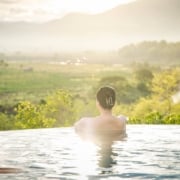
Waking in a luxury tent to the sounds of the jungle is not a small thing. The forest around the camp is active and alive. Gibbons call across the canopy. Light moves differently through the trees in April. The air is warm and unhurried. There are no deadlines built into the landscape.
The camp’s approach to responsible tourism is built into every layer of its operations. Every guest receives a reusable stainless steel water bottle on arrival. Refill stations replace single-use plastic throughout all tour locations. The camp’s CO2 Offset Project has been running since 2017. Trees planted in Kaeng Krung National Park offset the emissions from long-haul travel. The Children’s Project supports education in local schools, including those in Ban Dong Dum village.
None of this is incidental. It reflects a belief that travel should leave communities and ecosystems in better condition than it found them. That is a value Songkran shares. Both ask you to consider how you move through the world and what you leave behind.
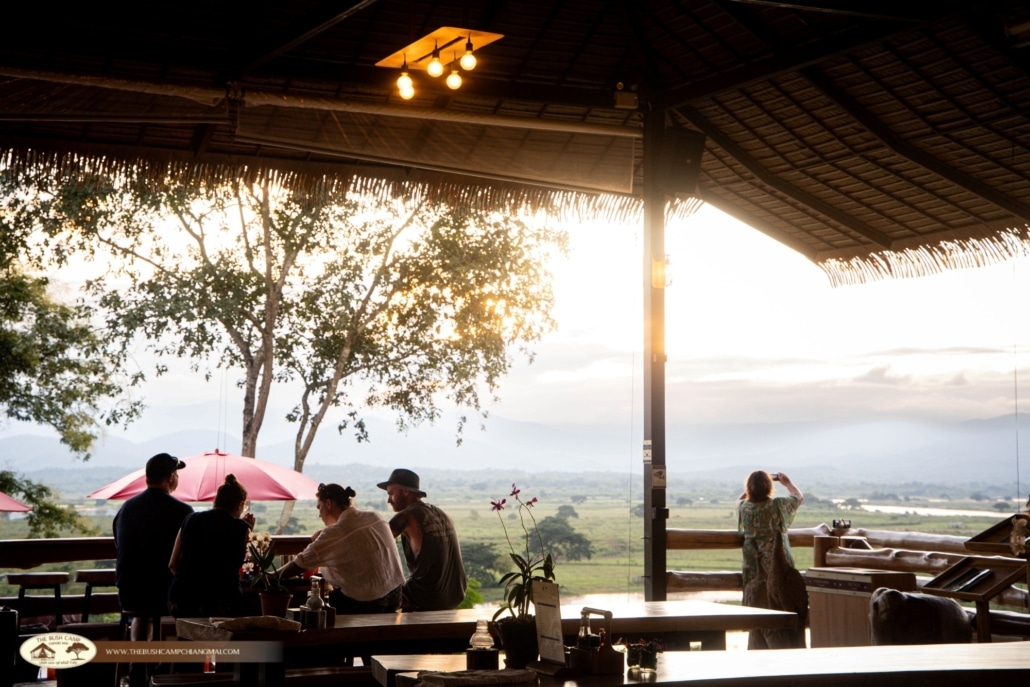
The wellness dimension of a stay at The Bush Camp is not manufactured. There are no crowds. There is no performance. There is the forest, the light, and the rhythm of a place that moves at a different pace. Time spent here tends to feel longer in the best possible sense. Attention returns to things that are close and present.
April is an ideal time to visit. The hot season is well underway. Days are warm, long, and clear. Evenings in the hills carry a breeze that the city rarely offers. The jungle is at its most vivid.
Planning a Songkran Stay at The Bush Camp
Songkran falls on 13 April each year. The festival period runs through to 15 April. Those who want to experience the season at its most authentic are well placed to look to the hills. The celebrations in Chiang Mai city are significant, but they suit a different kind of trip entirely.
The camp offers two options. The three-day Bush Camp Safari gives guests the time to settle properly into the camp’s rhythm. The landscape rewards that attention. There is genuine space between activities. For those with tighter schedules, the two-day Bush Camp Safari is equally rewarding. Both are all-inclusive, with meals and activities covered throughout.
Transfers from Chiang Mai are available. The camp manages the journey into the hills. Guests arrive ready for what the experience offers, rather than tired from navigating it.
Songkran is worth planning around. It arrives at the same time each year. Spending it among people who understand its meaning is a different kind of travel entirely. The forest holds its own stillness. That stays with you long after you leave.
The water ceremonies are an act of letting go. The blessing that follows is an act of beginning again. Both feel right in a place like this.
The Bush Camp is not a retreat from the world. It is a way of engaging with a world that operates at a different scale. One shaped by elephants, by forest, and by communities that have built something genuinely meaningful here.
To plan your Songkran in the hills, visit The Bush Camp tours page. Reserve your place for the season ahead.