Honouring the Herd: National Thai Elephant Day 2026
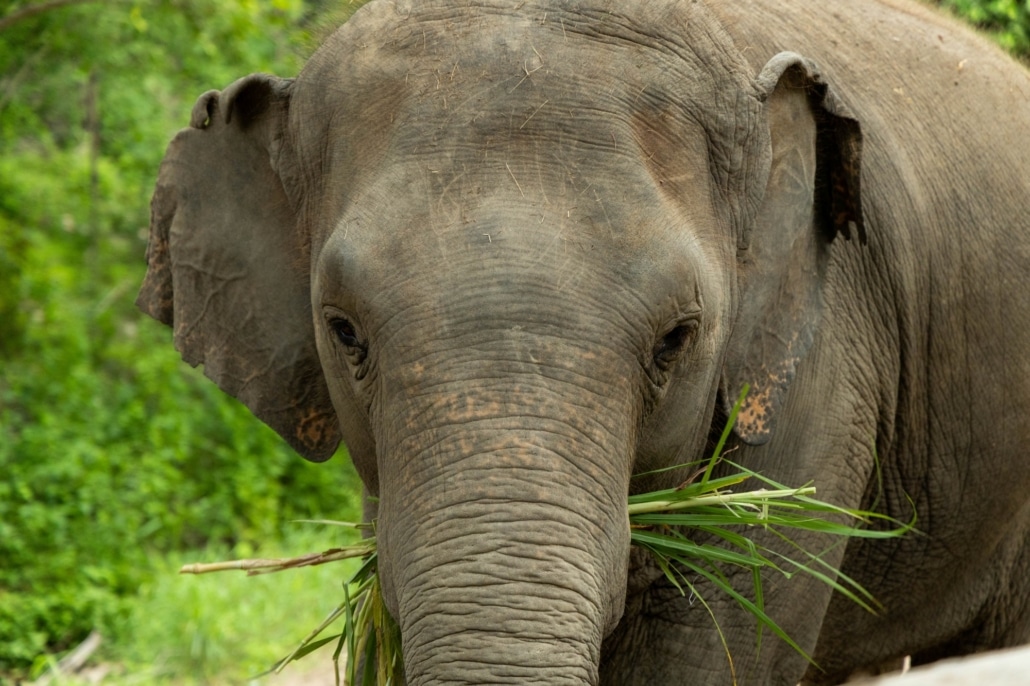
Every year on 13 March, Thailand pauses to honour one of the most significant animals in its history. National Thai Elephant Day, known in Thai as Wan Chang Thai, is a government-established occasion that recognises the elephant as a national symbol and a living part of the country’s cultural identity. For those planning a journey to northern Thailand, it is one of the most meaningful dates in the calendar.
At The Bush Camp Chiang Mai, the elephant is not simply a feature of the experience. It is the heart of everything the camp stands for. Understanding the significance of this day adds a deeper layer of meaning to any visit.
Why 13 March Matters
The date is not arbitrary. It marks the day in 1963 when the white elephant was incorporated into the old version of the Thai national flag. The white elephant, or Chang Samkhan, has been revered in Thailand for centuries. It symbolises royal power, prosperity, and good fortune. A king who possessed a white elephant was considered blessed by the heavens.
In 1998, the Thai government formally established National Thai Elephant Day to honour this heritage and to draw attention to the conservation challenges facing the species. The occasion serves a dual purpose. It is both a celebration and a call to action.
Across Thailand, the day is marked with traditional blessing ceremonies. Monks conduct rituals to bring good fortune to the animals and their mahouts. Elaborate fruit banquets, known as elephant buffets, are prepared for the elephants themselves. Watermelon, pineapple, sugarcane, and banana are piled high in colourful arrangements. The elephants eat well, and the atmosphere is one of gratitude and reverence.
These customs are not theatrical. They reflect a bond between humans and elephants that stretches back thousands of years in Thai culture. Honouring that bond openly, once a year, National Thai Elephant Day is a way of keeping it alive.
The Mahout Relationship: From Ancient History to Modern Conservation
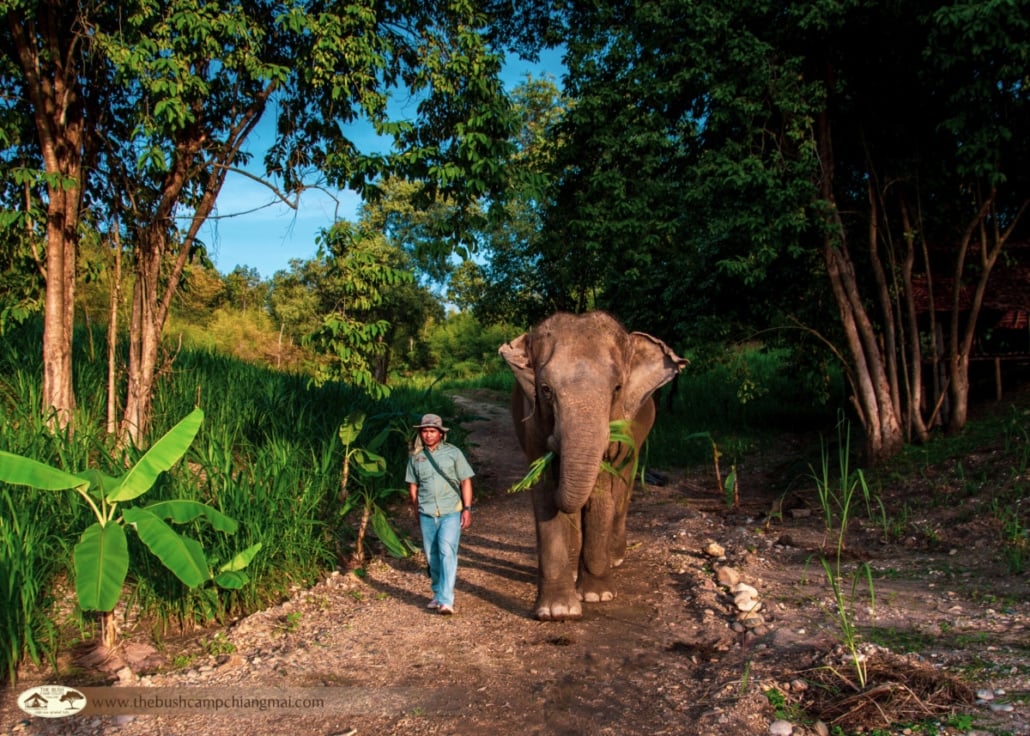
The word mahout refers to an elephant keeper and trainer, a role that has existed in South and Southeast Asia for millennia. In ancient Thailand, elephants were central to warfare, timber transport through dense forests, and royal ceremonies. The mahout was responsible for the welfare, training, and daily life of a single elephant, often for a lifetime.
That relationship was never simply one of utility. Mahouts developed profound knowledge of individual elephant personalities, health patterns, and emotional states. They learned how each animal communicated. They understood what unsettled them and what gave them comfort. This knowledge was passed down through families across generations.
When commercial logging was banned in Thailand in 1989, thousands of working elephants were left without a clear purpose. Each animal requires more than 200 kilograms of food daily. Sustaining them required a new model. Many elephants and their mahouts transitioned into tourism, but the quality of that transition varied enormously. Some entered environments that prioritised spectacle over welfare.
At The Bush Camp Chiang Mai’s Elephant Conservation Project, the mahout relationship is preserved and respected. The mahouts who care for the camp’s elephants bring genuine expertise and long-standing bonds with their animals. Guests do not simply observe this relationship from a distance. They are invited to understand it.
What a Chain-Free, Ethical Model Actually Means

The phrase “ethical elephant experience” is used broadly in Thailand. It is worth being specific about what it means in practice at The Bush Camp.
Elephant riding was stopped at the camp in 2010. That decision reflected a clear position: carrying tourists on their backs is not natural behaviour for elephants, and it is not a respectful way to interact with them. The camp made this change before it was widely expected of tourism operators.
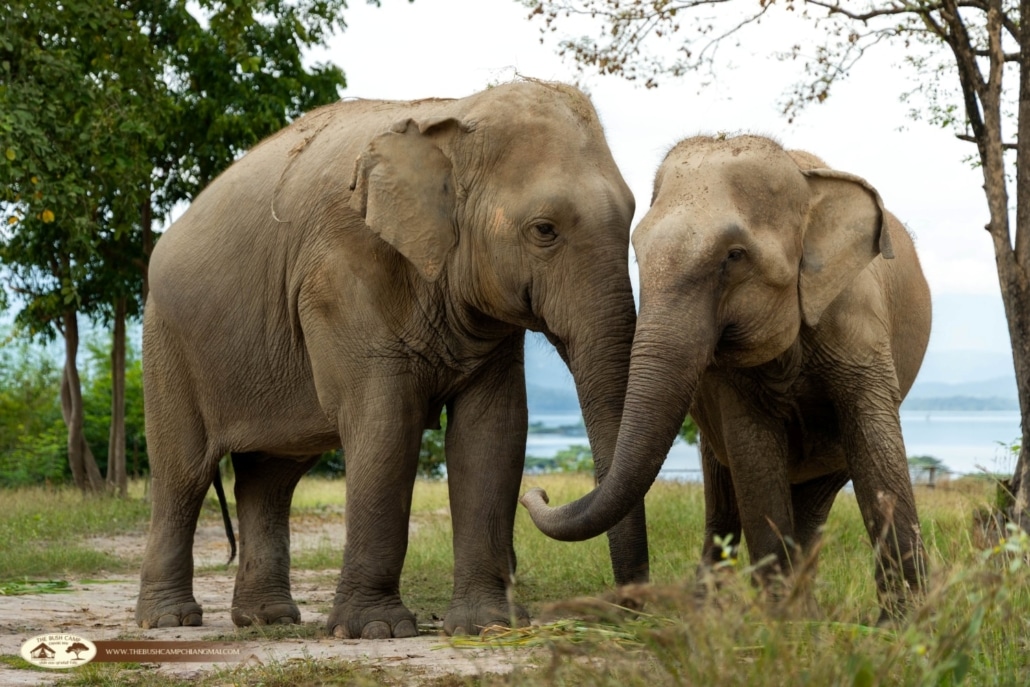
In place of riding, guests take part in a hands-on elephant experience that is included in every tour package. This includes preparing the elephants’ food, feeding them directly, and observing them as they roam freely in their expansive pen. There are no chains. The animals are not made to perform. Guests watch them graze, interact with one another, and behave as elephants actually do.
The camp’s veterinary team provides medicines, nutritional supplements, and medical equipment to elephant hospitals and rescue centres across the region. The team also works directly with local communities living near elephant habitats, sharing knowledge about peaceful coexistence between people and wild elephants. This is conservation work that extends well beyond the camp’s own herd.
Visiting The Bush Camp around National Thai Elephant Day is not simply a timely coincidence. It is a chance to witness an operation that has made the values behind the occasion its everyday standard.
The Celebration at Camp: What the Day Looks Like

The spirit of Wan Chang Thai is felt throughout northern Thailand in March. At a camp that places the elephant at its core, the occasion carries particular weight.
The traditional elements of the day, the preparation of food, the time spent in the presence of the animals, and the acknowledgement of the mahout’s expertise are woven into the daily rhythm at The Bush Camp in any case. The elephants eat well every day. They are observed as they choose how to spend their time. The mahouts are present not as guides delivering a scripted experience, but as people who know their animals.
On and around National Thai Elephant Day on the 13 March, guests at the camp have the opportunity to connect that everyday experience with its broader cultural context. Understanding that what they are watching is part of a centuries-old relationship and that the camp’s model actively supports its continuation changes the nature of the encounter.
The surrounding landscape adds to this. The camp sits beside the Ping River, approximately two hours from Chiang Mai, surrounded by jungle and mountains, with the ancient chedi temples visible from the accommodation. The area has been home to elephants and to the people who worked alongside them for as long as anyone can remember. That continuity is present in the landscape itself.
Planning a Visit Around National Thai Elephant Day
March falls within the dry season in northern Thailand. Temperatures are warm, skies are clear, and the jungle is at its most accessible. It is one of the most popular times of year to visit Chiang Mai, and with good reason.
The Bush Camp offers both a two-day, one-night package and a three-day, two-night package. All meals, accommodation, activities, and transfers are included. Guests stay in luxury glamping tents built by local artisans, each with a private balcony, hot and cold shower, air conditioning, and views across the river and mountains.
The elephant experience is included in both packages. So is access to the infinity pool, the open-air restaurant, and the full programme of daily activities. For families, couples, and solo travellers alike, it is a complete experience rather than a series of individual bookings.
Those considering a visit around the 13 March occasion are encouraged to consider dates in the week surrounding that day. The camp’s When to Visit page offers guidance on what to expect in March, and the Sustainability page provides further details on the camp’s conservation commitments.
National Thai Elephant Day is a reminder of what Thailand’s most iconic animal represents, and of what it will take to protect it. A visit to The Bush Camp Chiang Mai is a way of taking that reminder seriously. View the tour packages and book your stay today.

