
The Sounds of the Jungle: A Soundscape Guide to The Bush Camp Chiang Mai

At The Bush Camp Chiang Mai, the jungle is not just something you see. It is something you hear, often before you notice anything else. From the first light of day to the quiet rhythm of night, sound shapes the entire experience of staying beside the Ping River. February is an especially rewarding time to tune into this soundscape, when clear days and calm conditions allow the natural voices of the jungle to come through.
This guide explores the soundscape of The Bush Camp Chiang Mai, helping you understand what you might hear throughout the day, why these sounds matter, and how listening carefully can deepen your connection with nature during your stay.
Why Sound Matters in a Jungle Setting
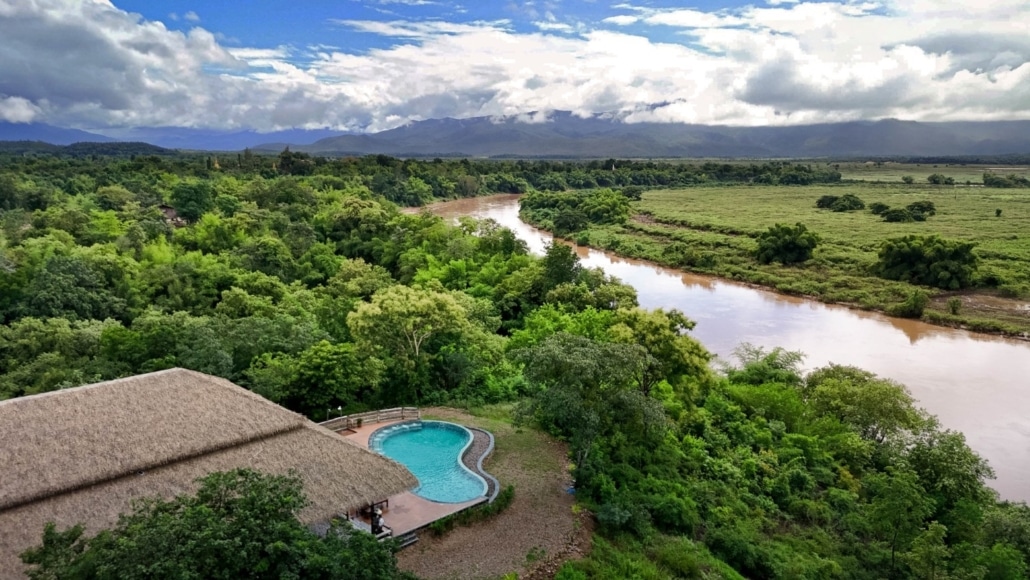
In natural environments, sound plays a vital role in how animals communicate, navigate and survive. For guests, sound becomes a powerful way to connect with a place on a deeper level. At The Bush Camp Chiang Mai, there is very little artificial noise. Instead of traffic or crowds, the days are shaped by birds, insects, water and wind.
February offers particularly stable conditions for listening. With less rainfall and clearer skies, sound carries cleanly across the river and through the surrounding trees. This creates an environment where even subtle noises become noticeable, from distant bird calls to the gentle movement of leaves.
Dawn: The Jungle Wakes Up
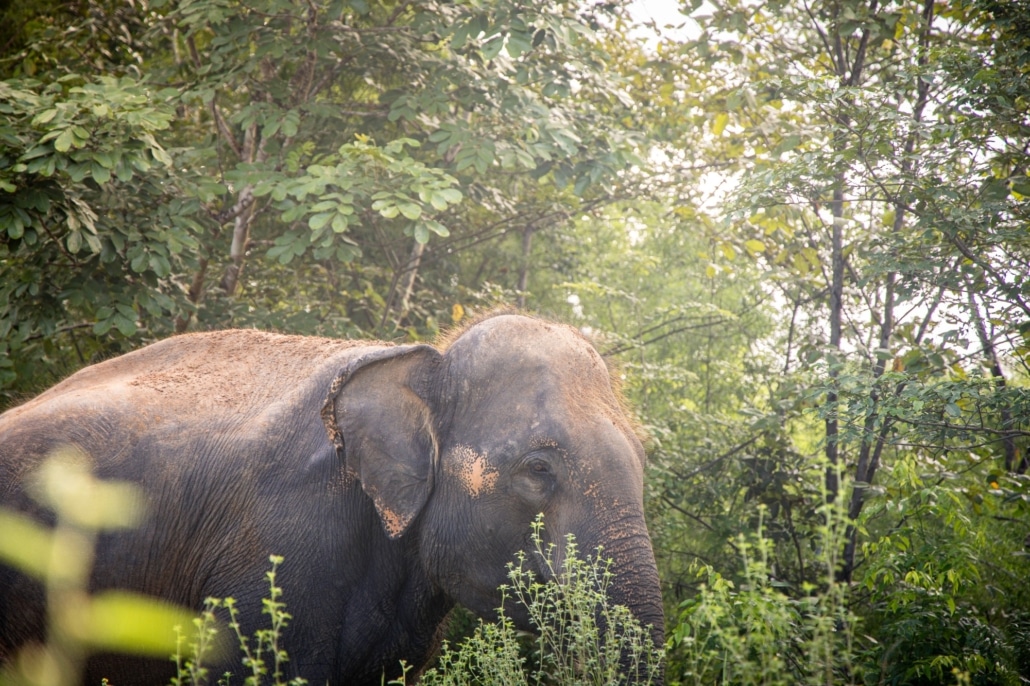
The soundscape of The Bush Camp begins early in the morning. As daylight approaches, birds are usually the first to announce the new day. A variety of calls overlap and build gradually, creating a natural dawn chorus that changes from day to day.
From your tent balcony, you may hear:
- Small birds calling across the river
- Insects slowing as the night cool fades
- Water moving steadily along the riverbank
- Occasional distant wildlife sounds from the forest
This early morning period is often one of the most peaceful times at the camp. Many guests choose to sit quietly with a drink, simply listening, before the day’s activities begin.
Mid-Morning and Daytime Sounds
As the sun rises higher, the soundscape shifts. Bird activity becomes more scattered, replaced by the steady presence of insects and the natural hum of the jungle. In February, daytime temperatures are comfortable enough to enjoy outdoor spaces without the sounds being overwhelmed by wind or rain.
During guided walks or time spent exploring the camp grounds, guests may notice:
- Cicadas creating rhythmic background noise
- Leaves rustling as animals move unseen
- Occasional splashes from fish or water birds
- Footsteps on natural paths
Listening closely during these moments often reveals far more than simply watching. Many animals remain hidden, yet their presence can be detected solely by sound.
The Role of the River in the Soundscape

The Ping River is a constant presence at The Bush Camp Chiang Mai, and its sound forms the backbone of the camp’s acoustic environment. The river does not rush or roar. Instead, it provides a steady, calming backdrop that changes subtly depending on time of day and light conditions.
In February, the river tends to flow smoothly, with gentle movements that are easy to hear from the tents and communal areas. This continuous sound has a naturally calming effect and is often compared to white noise, helping guests relax and unwind.
The river also attracts birds and other wildlife, adding layers of sound that shift as animals come and go throughout the day.
Afternoon Calm and Subtle Changes
As afternoon approaches, the jungle often enters a quieter phase. Sounds soften, and the overall atmosphere becomes more subdued. This is an ideal time for rest, reading, photography or quiet observation from your balcony.
In February, afternoon light and still air make it easier to notice subtle sounds such as:
- Distant bird calls echoing across the valley
- Wind moving gently through trees
- Insects settling into slower rhythms
- Occasional animal movement near the riverbank
This quieter period highlights the importance of slowing down and listening carefully, rather than expecting constant activity.
Evening: The Jungle Changes Its Voice
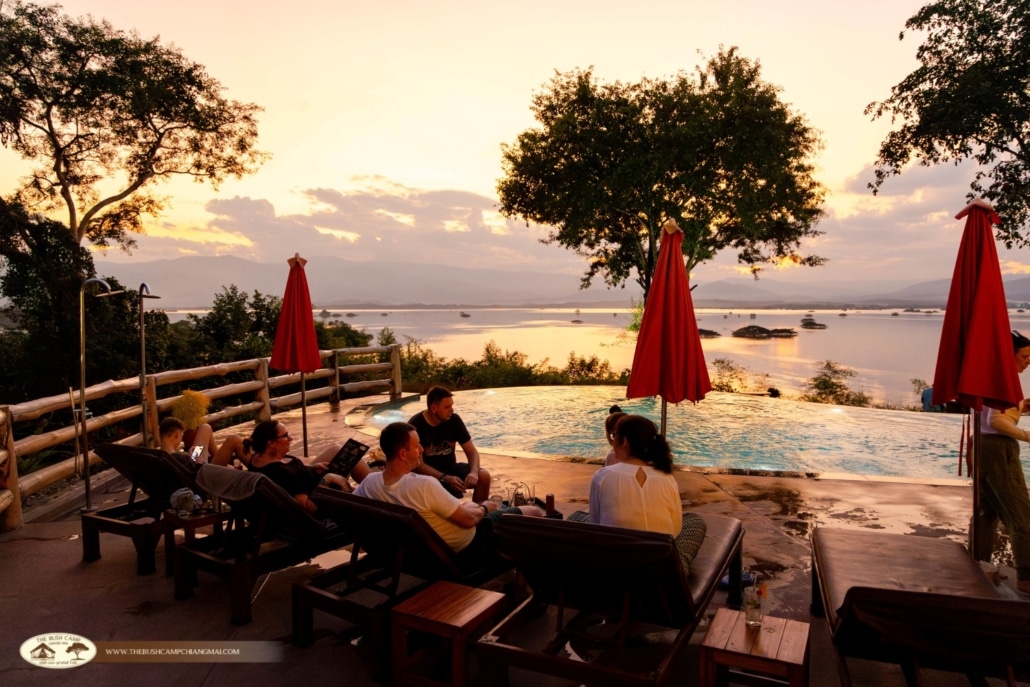
As daylight fades, the soundscape transforms again. Evening brings a new group of voices, often more pronounced and mysterious than those heard during the day. At The Bush Camp Chiang Mai, evenings are calm and free from artificial noise, allowing night sounds to take centre stage.
Guests may hear:
- Insects beginning their evening calls
- Geckos calling from nearby structures
- Occasional owl or night bird sounds
- The river continuing its steady flow
This transition from day to night is gradual and deeply atmospheric, creating a sense of immersion that many guests describe as one of the most memorable aspects of their stay.
Listening During the Elephant Experience
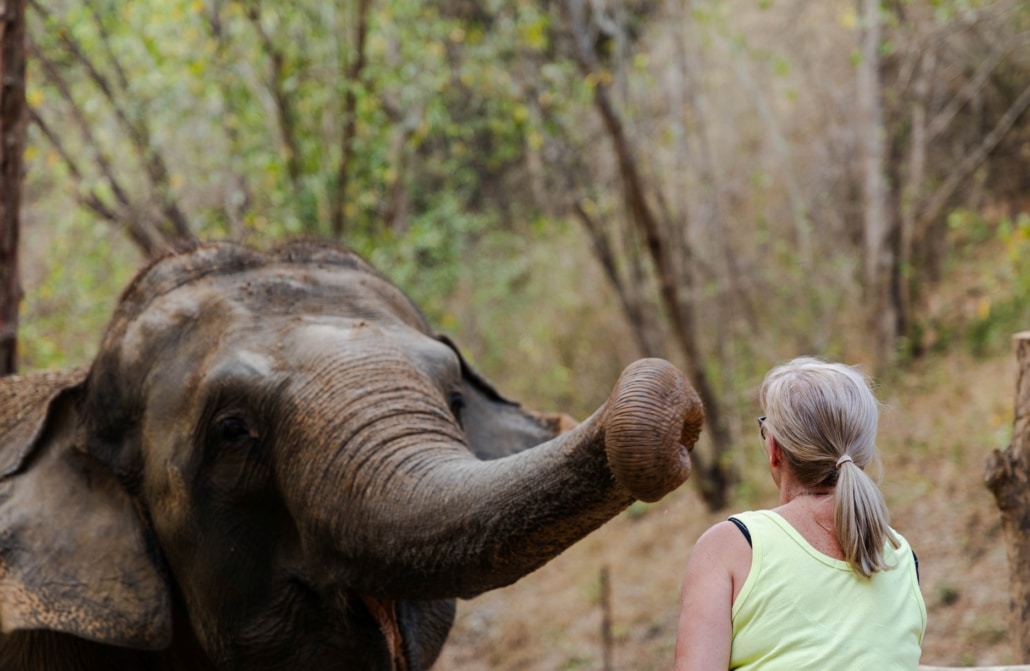
Sound plays an important role during the elephant experience at The Bush Camp Chiang Mai. Elephants communicate through a combination of vocalisations and body language, some of which guests may notice if they listen carefully.
Low rumbles, subtle movements and the sound of elephants interacting with their environment offer insight into their behaviour and mood. Guides often encourage guests to observe quietly, allowing these natural sounds to become part of the experience.
The elephant experience forms part of the camp’s safari programmes, which can be explored via the Adventure Tours Thailand page.
Sound and Mindfulness
Many guests arrive at The Bush Camp Chiang Mai seeking a break from noise-heavy environments. The jungle soundscape naturally supports mindfulness, encouraging awareness of the present moment.
By focusing on sound rather than sight, guests often find it easier to slow their thoughts and relax. February’s settled conditions make it especially suitable for quiet listening, without interruptions from weather or crowds.
Simple practices such as sitting silently for a few minutes, closing your eyes or taking slow breaths while listening can significantly enhance your experience of the camp.
Photography and Sound Awareness

Photography is popular at The Bush Camp, but sound awareness can enhance this experience too. Listening for birds or animal movement often helps photographers anticipate moments before they happen.
In February, clear light combined with audible cues creates excellent conditions for capturing wildlife, landscapes and candid moments around the camp.
Which Safari Best Supports a Deeper Experience
The length of your stay can influence how deeply you experience the jungle soundscape. Shorter visits offer a strong introduction, while longer stays allow you to notice patterns and changes over time.
The Bush Camp Safari 2-Day programme offers a meaningful taste of the environment and its sounds, ideal for guests with limited time.
Those choosing the 3-Day Bush Camp Safari often report a deeper connection, as spending more time in the jungle allows the soundscape to become familiar and comforting.
Why February Is Ideal for Listening
February offers a balance of comfort and clarity. The absence of heavy rain and strong winds allows sound to travel cleanly, making it easier to notice subtle changes throughout the day.
For guests interested in nature, wildlife, and mindfulness, February offers ideal conditions for appreciating the jungle not just as a visual environment but as a living soundscape.
Making the Most of the Experience

To fully appreciate the sounds of The Bush Camp Chiang Mai, it helps to slow down and allow quiet moments into your day. Sitting on your balcony, pausing during walks, or listening carefully during activities can all deepen your understanding of the environment.
Rather than treating sound as background noise, treating it as the focus can transform your stay into a more immersive and restorative experience.
FAQ
1. Is The Bush Camp quiet at night?
Yes. While the jungle has natural nighttime sounds, there is very little artificial noise, creating a calm and peaceful atmosphere.
2. Will I hear wildlife during my stay?
Yes. Many animals are heard rather than seen, especially birds, insects and night-time wildlife.
3. Is February a good month for nature lovers?
February offers stable conditions that make it ideal for listening, observing and spending time outdoors.
4. Do the safari programmes include quiet time?
Yes. Both safari options allow time for observation, listening and reflection alongside guided activities.
5. Which safari is best for a deeper jungle experience?
The 3-day safari allows more time to notice patterns and changes in the environment, including the soundscape.

